top of page
Please contact nnmarieconsulting@gmail.com for displaying your ads on our website
Accounting


Ways to Deal with Subsequent Events After the Financial Reporting Period Under IFRS
Introduction Financial statements are prepared based on information available up to a specific reporting date. However, significant events may occur between the end of the reporting period and the date when the financial statements are authorised for issue. These events are known as subsequent events or events after the reporting period. Under IAS 10 – Events after the Reporting Period, entities must assess whether events occurring after the reporting period provide evidence

Nhung Nguyen
Aug 299 min read


Insight into Cash Flow Management
Insight into Cash Flow Management Cash flow management is one of the most important disciplines in financial management. A business can report strong revenue and even generate accounting profits, yet still face financial difficulties if it does not have enough cash available to pay employees, suppliers, lenders, taxes, and other obligations. Understanding cash flow therefore goes beyond simply tracking how much money enters and leaves a bank account. Effective cash flow manag
Nhung Nguyen
Aug 208 min read


A Comprehensive Comparison Between VAS and IFRS
A Comprehensive Comparison Between VAS and IFRS Introduction Vietnamese Accounting Standards (VAS) and International Financial Reporting Standards (IFRS) are two important accounting frameworks used to prepare and present financial statements. VAS was developed specifically for the Vietnamese business environment, while IFRS is an internationally recognized framework designed to improve consistency, transparency and comparability across countries. Vietnam currently has 26 Vie
Nhung Nguyen
Aug 1915 min read


Revenue, Cost of Services Rendered and Taxes for the Aviation Industry in Vietnam
Introduction The aviation industry is one of the most complex sectors from an accounting and tax perspective. An airline does not simply sell airline tickets. Its revenue model may include passenger transportation, excess baggage, cargo transportation, charter flights, ancillary services, loyalty programmes, aircraft leasing, ground services, catering, maintenance and other aviation-related activities. At the same time, airlines face a highly cost-intensive operating model. J
Nhung Nguyen
Aug 1914 min read


A Summary of All Accounting Standards in Vietnam
Introduction Accounting standards are the foundation of financial reporting. They establish principles for how businesses recognize, measure, present, and disclose transactions and balances in their financial statements. In Vietnam, the primary framework for corporate accounting is the Vietnamese Accounting Standards, commonly known as VAS (Vietnamese Accounting Standards). The Ministry of Finance developed VAS through five major issuance phases between 2001 and 2005. The sys
Nhung Nguyen
Aug 1911 min read


How Much Does It Cost to Build an ERP System from Scratch?
Enterprise Resource Planning, commonly known as ERP, is one of the most important software systems for businesses that want to manage finance, accounting, sales, inventory, purchasing, human resources, manufacturing, projects, and other business processes in one integrated platform. Companies such as SAP, Oracle, Microsoft, and other ERP providers offer ready-made solutions, but some businesses choose to build an ERP system from scratch because they need highly customized wor
Nhung Nguyen
Aug 911 min read


How Much Does It Cost to Open a Company in the UK? (2026 Complete Guide)
Everything you need to know about the costs of registering and running a UK company—from government fees to accounting, taxes, and hidden expenses. Introduction The United Kingdom remains one of the world's most attractive places to start a business. With a straightforward company registration process, a stable legal system, and access to international markets, entrepreneurs from around the world continue to establish UK companies every year. One of the biggest questions new
Nhung Nguyen
Aug 75 min read


How Much Does It Cost to Open a Company in Singapore? (2026 Complete Guide)
Singapore is consistently ranked as one of the easiest places in the world to start and operate a business. Its transparent legal system, attractive corporate tax rates, strategic location, and business-friendly government make it a preferred destination for entrepreneurs, startups, and multinational corporations. One of the most common questions foreign entrepreneurs ask is: "How much does it actually cost to open a company in Singapore?" The answer depends on several factor
Nhung Nguyen
Aug 74 min read


A Comprehensive Comparison Among US, UK, Australian, Singapore Accounting and Taxes
Published: 2026 Edition Category: International Taxation | Accounting | Business | Finance Introduction Expanding a business internationally is no longer limited to multinational corporations. Thanks to globalization and digital commerce, startups, SMEs, and freelancers increasingly operate across multiple jurisdictions. However, every country has its own accounting standards, tax regulations, reporting requirements, and compliance obligations. Four of the world's most attrac
Nhung Nguyen
Aug 45 min read


A Comprehensive Guide to UK Tax and Accounting (2026 Edition)
Introduction The United Kingdom has one of the world's most mature and transparent tax systems. Whether you are an entrepreneur, finance professional, investor, freelancer, or someone planning to establish a business in the UK, understanding UK taxation and accounting is essential for maintaining compliance and maximizing financial efficiency. This comprehensive guide explains the UK's tax system, accounting standards, major taxes, filing requirements, financial reporting obl
Nhung Nguyen
Aug 45 min read


A Comprehensive Guide to Canada Tax and Accounting
A Comprehensive Guide to Canada Tax and Accounting Canada has one of the world's most transparent and well-regulated tax systems. Whether you are starting a business, investing in Canada, relocating as an expatriate, or expanding internationally, understanding Canada's tax and accounting framework is essential for compliance and business success. This comprehensive guide explains everything you need to know about the Canadian tax system, accounting standards, business registr
Nhung Nguyen
Aug 45 min read


A Comprehensive Guide to USA Tax and Accounting
Introduction The United States has one of the world's most sophisticated and complex tax and accounting systems. Whether you are an entrepreneur launching a startup, an international company expanding into the U.S., a freelancer, or an established corporation, understanding the U.S. tax and accounting framework is essential for maintaining compliance and optimizing financial performance. Unlike many countries with a single national tax authority, the United States operates un
Nhung Nguyen
Aug 36 min read


A Comprehensive Guide to Australian Tax and Accounting
Introduction Australia is one of the world's most attractive destinations for businesses, entrepreneurs, and investors due to its stable economy, transparent legal framework, and business-friendly environment. However, understanding Australia's taxation and accounting system is essential for maintaining compliance and optimizing business performance. Whether you are starting a company, expanding internationally, or investing in Australia, this guide explains everything you ne
Nhung Nguyen
Aug 36 min read


A Comprehensive Guide to Singapore Tax and Accounting (2026 Edition)
Everything business owners, entrepreneurs, accountants, investors, and foreign companies need to know about Singapore's tax system and accounting requirements. Introduction Singapore has built a global reputation as one of the world's most business-friendly economies. With a competitive corporate tax rate, transparent legal system, efficient government agencies, and internationally recognized accounting standards, Singapore has become a preferred destination for startups, mul
Nhung Nguyen
Aug 37 min read


Conditions and Regulations for Recognizing Expenses Incurred Prior to Company Incorporation in Vietnam
A Practical Guide to Recording Pre-Incorporation Expenses for Tax and Accounting Purposes Launching a business in Vietnam often requires founders to spend money before the company is officially established. These costs may include market research, legal consulting, office rental deposits, business registration fees, branding, software subscriptions, recruitment, and feasibility studies. A common question among entrepreneurs, foreign investors, and finance teams is: Can expens
Nhung Nguyen
Jul 67 min read


Thorough Guidance for Company Seal in Vietnam
Everything Businesses Need to Know About Company Seals Under Vietnamese Law A company seal has long been regarded as an official symbol of a business, representing its legal identity and authority when executing contracts and corporate documents. Although Vietnam's enterprise laws have become increasingly flexible regarding the use and management of company seals, they continue to play an important role in daily business operations. For newly established companies, foreign in
Nhung Nguyen
Jul 66 min read


Step-by-Step Guide to E-Invoice Registration for Newly Founded Companies in Vietnam
Everything You Need to Know Before Issuing Your First Electronic Invoice Starting a new company in Vietnam involves more than obtaining an Enterprise Registration Certificate (ERC) and Tax Identification Number (TIN). Before you can legally issue invoices to customers, your business must complete the electronic invoice (e-invoice) registration process in accordance with Vietnamese tax regulations. Since Vietnam has fully transitioned to mandatory electronic invoices, understa
Nhung Nguyen
Jul 66 min read
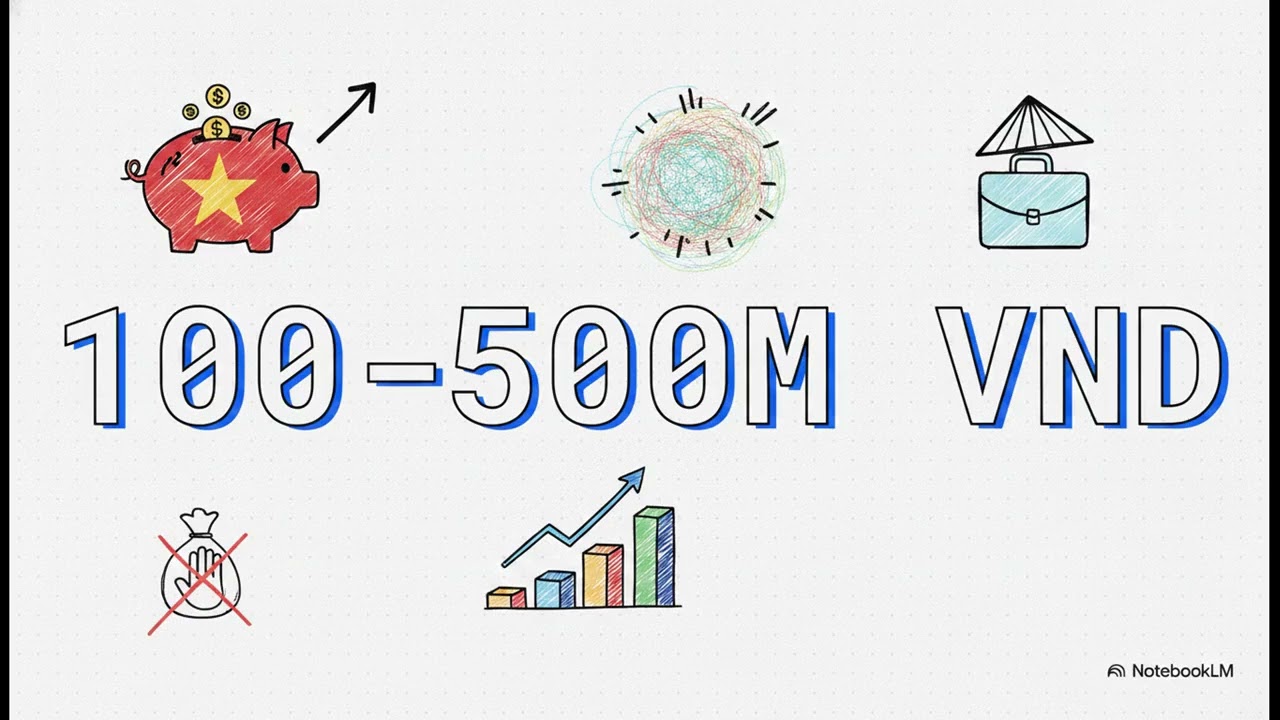
Common mistakes to avoid when setting up a company in Vietnam
Resources : Internet
Nhung Nguyen
Jul 41 min read


A Comprehensive Guide for Setting Up a Company in Vietnam
A Step-by-Step Guide from Legal Registration to Tax, Banking, and Accounting Setup Starting a business in Vietnam has become increasingly attractive thanks to the country's rapid economic growth, strategic location, expanding consumer market, and numerous free trade agreements. Whether you are a local entrepreneur, a foreign investor, or an overseas Vietnamese returning to invest, understanding the company formation process can save significant time, cost, and compliance risk
Nhung Nguyen
Jul 45 min read


Integration of Purchase Invoice App with Accounting System for Automatic Recognition and Recording of Recurring Purchase Invoices
Everything You Need to Know Before Issuing Your First Electronic Invoice Starting a new company in Vietnam involves more than obtaining an Enterprise Registration Certificate (ERC) and Tax Identification Number (TIN). Before your business can legally issue invoices to customers, it must complete the electronic invoice (e-invoice) registration process in accordance with Vietnamese tax regulations. Vietnam has fully transitioned to mandatory electronic invoicing, making it esse
Nhung Nguyen
Jun 306 min read
bottom of page